
Deepfakes, AI, Fake Visuals… What If Blockchain Were the Solution?
📋 En bref (TL;DR)
- Deepfakes : AI-manipulated content capable of deceiving the public and spreading disinformation
- Major risks : political manipulation, reputation damage, scams, and a crisis of trust in media
- Blockchain as a solution : traceability, immutability, and transparency to certify content authenticity
- Digital hash : a unique fingerprint of an image recorded on the blockchain to verify its integrity
- AI and blockchain complementarity : two technologies that, when combined, can restore digital trust
In the era of deepfakes and artificial intelligence, it’s difficult to distinguish between what’s real and what’s fake. The new image generation capabilities of ChatGPT 4-o have widened the gap. These manipulated contents can cause disinformation and undermine our trust in media. Imagine a world where even the most credible videos could be lies.
To address these challenges, blockchain is emerging as a promising solution. It could ensure the authenticity of digital content and protect our access to reliable information. In this article, let’s discover how this technology can help combat fake visuals and restore public trust.
Understanding Deepfakes and Their Impact on Society
Deepfakes are digital content created by artificial intelligence (AI). They superimpose images or videos, making it difficult to distinguish between real and fake. This can have serious consequences for our society.
What Is a Deepfake?
A deepfake uses algorithms to modify a video. For example, it can make a person say something they never said. This may seem amusing, but deepfakes can also be dangerous.
The Dangers of Deepfakes
Deepfakes present significant risks:
- Information manipulation: They can distort political speeches or important events.
- Reputation damage: A person can be dishonored by a fabricated video.
- Scams: Deepfakes can deceive people and trick them into giving away money.
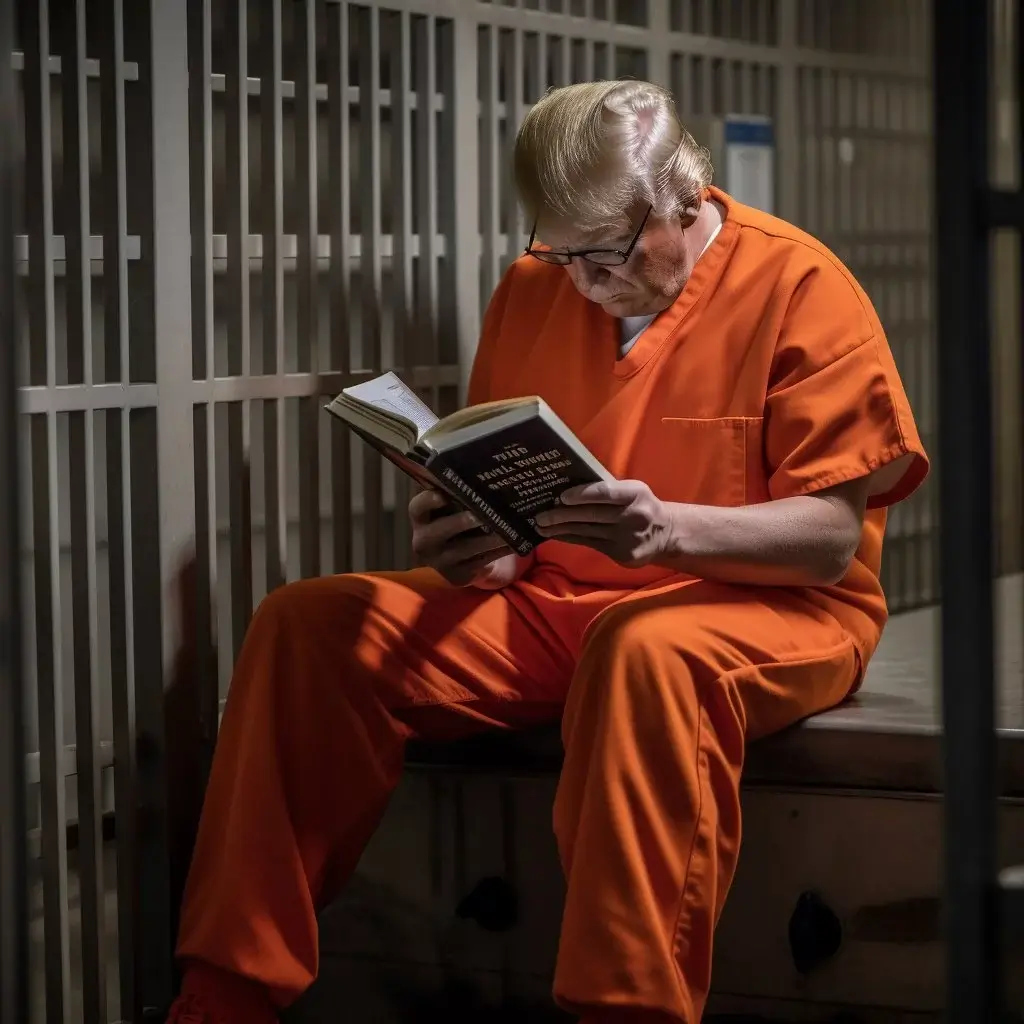
AI-Generated Image
Impact on Society and Privacy
Deepfakes affect our trust in media. People can become skeptical, which can lead to:
- Increased disinformation
- Polarization of opinions
- Loss of trust in public figures
It’s crucial to understand these issues. Technology is advancing rapidly. To combat the negative effects of deepfakes, blockchain can be crucial.
The Challenges of Digital Veracity
The Loss of Trust in Media
Today, the truthfulness of information is at risk. With the rise of deepfakes and AI-generated content, it’s becoming difficult to tell the difference between real and fake. Traditional media are suffering from this crisis of trust.
The consequences are multiple:
- Users doubt the authenticity of news.
- Disinformation spreads rapidly.
- Social platforms become breeding grounds for false information.
The Impact on Justice and Legislation
Fake visuals and deepfakes also pose legal challenges. Judicial systems must face new obstacles. For example, a deepfake can manipulate evidence in a trial, calling into question the integrity of judicial procedures.
Legislators are looking for ways to regulate this technology. But it’s difficult to keep up with the pace of advancements. Inadequate laws can lead to abuses.
In short, digital veracity is under threat. Finding solutions to restore trust and protect justice is essential.
Blockchain: A Potential Solution
How Blockchain Can Guarantee Content Authenticity
Blockchain is a technology that stores information in a secure and transparent way. It works as a decentralized ledger. Each transaction is recorded and verified by many users.
Here’s how blockchain can guarantee content authenticity:
- Traceability: Each piece of content can be tracked from its creation to its distribution.
- Immutability: Recorded content cannot be modified without the majority’s agreement.
- Transparency: Everyone can access information about the origin of content.
These characteristics reduce the risk of deepfakes and fake visuals. Users can easily verify the authenticity of an image or video.
Detecting Fake Images with Blockchain
Basic Principle: The Digital Fingerprint
Every generated image has a unique characteristic called a hash. This hash is the result of an algorithm that transforms the image into a string of characters incomprehensible to humans, but unique to that image.
This fingerprint can be recorded on a blockchain. It can also include information such as GPS location and creation time.
The blockchain stores this information immutably. Once recorded, it can no longer be modified. Thus, when the image is associated with its hash on the blockchain, it becomes possible to verify its authenticity.
When a user wants to confirm the origin of an image, they can consult the blockchain. They find the corresponding hash and can verify the associated information, such as the creation date.
The blockchain provides reliable proof of the image’s integrity. This ensures that it has not been modified after publication. In summary, the hash and blockchain guarantee the authenticity of an image and the accuracy of contextual data.
Blockchain and Artificial Intelligence: Two Complementary Technologies?
Blockchain and artificial intelligence (AI) are often perceived as distinct technologies. Yet, they can work together to solve complex problems. Blockchain offers unprecedented transparency and security, while AI brings analysis and learning capabilities. Together, they can create innovative solutions.
Conclusion: Toward an Era of Digital Veracity Through Technology
Technology is evolving rapidly. Deepfakes, powered by artificial intelligence, are a challenge for our trust in visual content. However, blockchain could guarantee the authenticity of digital information.
By integrating blockchain into the content creation and sharing process, we can:
- Verify the authenticity of images and videos
- Trace information sources
- Prevent disinformation by recording every modification
Blockchain acts as an immutable ledger. Each piece of content can be recorded with a timestamp and a digital signature. This allows anyone to verify the origin of content in just a few clicks.
We are entering an era where digital veracity is crucial. By using blockchain, we can create a safer and more transparent environment. This could change the way we consume information and trust the content we see.
Adopting these solutions is essential. This will help effectively combat fake visuals and restore public trust in digital media.
📚 Glossary
- Deepfake : Digital content (image, video, audio) manipulated by artificial intelligence to realistically imitate a person or a scene that doesn’t exist.
- Artificial Intelligence (AI) : A set of technologies enabling machines to simulate human capabilities such as learning, image recognition, and decision-making.
- Blockchain : A decentralized and immutable digital ledger that records transactions securely and transparently, without intermediaries.
- Hash : A unique digital fingerprint generated by a cryptographic algorithm from a file. Any modification to the file produces a completely different hash.
- Disinformation : The intentional spreading of false information with the aim of deceiving or manipulating public opinion.
- Timestamp : A recording of the exact date and time of an event or transaction on the blockchain, allowing proof of its anteriority.
- Digital Signature : A cryptographic mechanism that verifies the authenticity and integrity of a message or digital document.
Frequently Asked Questions
How can blockchain detect a deepfake?
Blockchain doesn’t directly detect deepfakes, but it certifies the authenticity of original content. By recording the hash (digital fingerprint) of an image or video upon creation, any subsequent modification becomes detectable by comparison with the original hash.
Are deepfakes illegal?
Legislation varies by country. In Europe, the creation and distribution of deepfakes can be sanctioned under identity theft, defamation, or privacy violations. Specific regulations, notably the European AI Act, are progressively being put in place.
What are the limitations of blockchain against fake content?
Blockchain certifies the authenticity of recorded content, but it cannot prevent the creation of deepfakes. Moreover, it requires content creators to voluntarily register their works. The widespread adoption of these systems remains a major challenge.
📰 Sources
This article is based on the following sources:
Comment citer cet article : Fibo Crypto. (2026). Deepfakes, AI, Fake Visuals... What If Blockchain Were the Solution?. Consulté le 25 February 2026 sur https://fibo-crypto.fr/en/blog/deepfakes-ai-blockchain-solution